PROMISING OUTCOME
A pilot study by University of Amsterdam and TNO demonstrated that 4 out of 7 veterans (57%) experienced substantial PTSD symptom reduction after just 1-2 treatment sessions using multi-sensory technology combined with memory reconsolidation therapy.
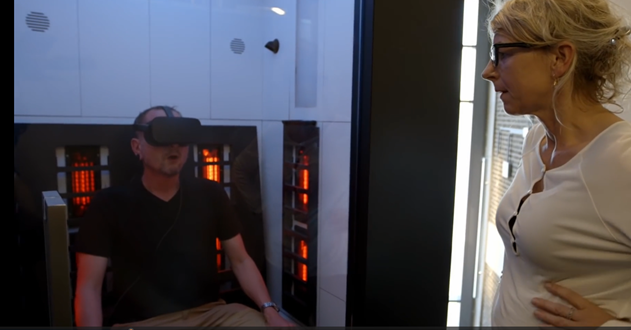
multi-sensory based PTSD treatment technology in action
Research Summary
Introduction: Despite the positive outcomes observed in numerous individuals
undergoing trauma-focused psychotherapy for PTSD, veterans with this condition
experience notably diminished advantages from such therapeutic interventions in
comparison to non-military populations.
Methods: In a preliminary study we investigated the efficacy of an innovative
treatment approach in a small sample of veterans (n = 7). Recognizing that
accessing and targeting trauma memory in veterans with PTSD may be more
challenging compared to other patient populations, we employed unique and
personalized retrieval cues that engaged multiple senses and were connected to
the context of their trauma. This was followed by a session focused on memory
reconsolidation, which incorporated both psychological techniques (i.e., imagery
rescripting) and a pharmacological component (i.e., 40 mg of propranolol).
Results: The findings from this small-scale case series cautiously indicate that
this brief intervention, typically consisting of only one or two treatment sessions,
shows promise in producing significant effects on symptoms of PTSD, distress and
quality of life.This is particularly noteworthy given the complex symptomatology
experienced by the veterans in this study.
Conclusion: To summarize, there are grounds for optimism regarding this brief
treatment of combat-related PTSD. It appears that the potential for positive
outcomes is far greater than commonly believed, as demonstrated by the
encouraging results of this pilot study.
-
> 57% substantial improvement: Veterans reported eliminated/reduced nightmares, decreased hypervigilance, fewer aggressive outbursts
-
> One veteran's score dropped from 51 to 9 on the PCL-5 PTSD scale
-
> 5 of 7 veterans showed improved quality of life
-
> Rapid response: Changes observed within 1-3 months
Officialy Presented to The Dutch Ministry of Health
Effective Multi-Sensory PTSD Treatment Pilot with SENSIKS Sensory Reality Pods
Multi-Sensory PTSD Treatment - Part 1
Introduction to the SENSIKS multi-sensory technology and treatment approach used in the University of Amsterdam/TNO study
Multi-Sensory PTSD Treatment - Part 2
Detailed presentation to the Netherlands Ministry of Health on treatment outcomes and clinical applications
Full Documentary Film
Complete documentary following a Canadian veteran through similar treatment, illustrating the human dimension and potential for meaningful clinical change
The Innovative Approach
Multi-Sensory Technology
SENSIKS sensory reality pod delivering synchronized 3D visuals, spatial audio, combat-relevant scents, temperature changes, and physical sensations
Brief "Memrec" Protocol
Combining immersive memory reactivation + imagery rescripting + single 40mg propranolol dose for memory reconsolidation
Rapid Treatment
1-2 sessions versus typical 8-20 sessions for traditional PTSD therapy - a revolutionary reduction in treatment duration
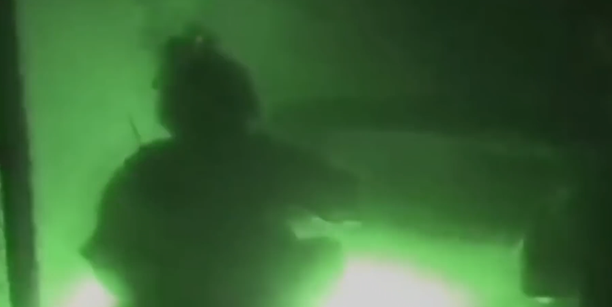
SENSIKS. Technology & Research Setup
Why Multi-Sensory Technology Matters
Veterans' combat training makes emotional trauma memories harder to access through traditional verbal/visual cues alone. The SENSIKS platform's synchronized multi-sensory stimulation (especially olfactory input with direct amygdala connections) more effectively activates complete trauma memory networks needed for successful treatment.
Neuroscience Foundation
The researchers chose this approach based on neuroscience evidence showing that olfactory pathways have direct connections to the amygdala and entorhinal cortex—brain regions central to emotional processing and memory. Unlike visual or verbal cues alone, multi-sensory stimulation can more effectively trigger autobiographical memories with strong emotional resonance.
What Makes SENSIKS Different
- 3D Visual Displays: Contextually relevant environments matching deployment zones
- Spatial Audio: Realistic soundscapes creating immersive combat contexts
- Olfactory Stimulation: Trauma-context-appropriate scents (direct amygdala activation)
- Temperature Modulation: Matching environmental conditions (desert heat, winter cold)
- Physical Sensations: Air flow and vibration simulating combat experiences
Creating "Idiosyncratic Virtual Reality Worlds"
The system creates personalized immersive environments tailored to each veteran's specific deployment experiences (Afghanistan, Bosnia, Iraq), increasing the likelihood of activating the complete trauma memory network necessary for effective reconsolidation therapy.
Measured Results & Symptom Changes
Primary Findings (Click to collapse)
Study Participants
The study evaluated seven Dutch military veterans with combat-related PTSD. Outcome measures included the PTSD Checklist for DSM-5 (PCL-5), Beck Depression Inventory (BDI-II), and Mental Health Quality of Life Questionnaire (MHQoL), assessed at baseline, one month, and three months post-treatment.
Response Breakdown
- 4 out of 7 veterans (57%) experienced substantial reduction in PTSD symptoms following just 1-2 sessions
- 2 additional veterans showed meaningful improvements in daily functioning and distress levels, despite smaller changes in symptom scores
- 1 veteran showed no improvement, though this individual's presentation was dominated by depression rather than trauma-related intrusions
Specific Symptom Changes
Veterans who responded to treatment reported:
- ✓ Elimination or significant reduction of nightmares and flashbacks
- ✓ Decreased hypervigilance in public settings
- ✓ Reduced aggressive outbursts noted by family members
- ✓ Improved emotional access and ability to discuss traumatic experiences
- ✓ Better quality of life scores in 5 of 7 participants
Remarkable Individual Outcome
One veteran's PCL-5 score dropped from 51 to 9 (>40-point reduction), with complete remission of nightmares and hypervigilance. Another reported the disappearance of panic attacks and improved parenting capacity after years of symptoms.
The Science Behind Memory Reconsolidation
The treatment leverages a neurobiological process called memory reconsolidation. When memories are recalled, they temporarily enter a labile state requiring re-stabilization. This creates a window during which memories can be modified or weakened.
How Propranolol Works
The beta-blocker propranolol interferes with noradrenergic signaling during this reconsolidation window, potentially reducing the emotional intensity of trauma memories without erasing the factual content.
The "Prediction Error" Mechanism
Critical to success is creating a "prediction error"—introducing novel or unexpected information during memory retrieval that triggers destabilization. The multi-sensory SENSIKS environment may enhance this effect by creating a more complete and emotionally engaging memory reactivation than traditional script-driven imagery alone.
Preserving Autobiographical Memory
Important ethical consideration: Veterans retained factual knowledge of events even when emotional intensity decreased. The intervention doesn't impair adaptive fear learning - fear responses can be relearned if facing new threats.
Advantages of Multi-Sensory Approach
Five Key Benefits of SENSIKS Technology
Enhanced Memory Access
Multiple sensory channels increase the likelihood of activating the complete trauma memory network
Ecological Validity
The immersive environment more closely approximates actual combat conditions
Reduced Avoidance
Structured, controlled multisensory exposure within the pod is more effective than purely imaginal techniques
Treatment Engagement
The technological component may increase motivation and reduce early dropout
Individualization
Each veteran's specific deployment environment (Afghanistan, Bosnia, Iraq) can be approximated through customized sensory combinations
Treatment Protocol: The "Memrec" Approach
The intervention consisted of a brief, targeted approach combining technology and clinical expertise:
Step 1: Memory Reactivation (~2 minutes)
Veterans experienced war-related environments in the SENSIKS pod, engaging multiple senses simultaneously to fully activate trauma memory networks.
Step 2: Imagery Rescripting
Participants revisited their most challenging trauma memories and envisioned alternative responses, addressing moral injury and stuck points that often accompany combat trauma.
Step 3: Pharmacological Component
A single 40mg dose of propranolol was administered immediately after successful memory processing, targeting memory reconsolidation processes during the critical window.
Treatment Duration
Most participants received only one or two treatment sessions—a stark contrast to traditional trauma therapies requiring 8-20 sessions. This represents a potential paradigm shift in PTSD treatment efficiency.
Leading Academic & Clinical Partners
Dr. Merel Kindt
Professor of Clinical Psychology
University of Amsterdam
Dr. Marieke Soeter
Work Health Technology Division
TNO
ARQ Centrum '45
Dutch National Center
Trauma-Related Disorders
Research Citation
Kindt, M., & Soeter, M. (2023). A brief treatment for veterans with PTSD: an open-label case-series study. Frontiers in Psychiatry, 14, 1260175.
Funding Sources
- Dutch Ministry of Defense - LZV research program
- European Research Council (ERC) - Advanced Grant 743263 (awarded to Dr. Merel Kindt)
Extended Research Information
Academic Foundation & Research Context
Groundbreaking Research Combines Immersive Technology with Clinical Psychology
A pilot study conducted by researchers at the University of Amsterdam and TNO (The Netherlands Organization for Applied Scientific Research) has demonstrated encouraging results in treating combat-related PTSD using an innovative approach that incorporates multi-sensory technology. The research, published in Frontiers in Psychiatry, represents a significant step forward in understanding how immersive sensory environments can enhance trauma-focused therapeutic interventions.
Understanding the Treatment Challenge
Veterans with PTSD present unique treatment challenges compared to civilian populations. Research shows that approximately two-thirds of veterans continue to experience symptoms even after receiving standard trauma-focused psychotherapy. Dropout rates range from 25-48%, and treatment outcomes have historically been less favorable than for non-military populations.
The research team hypothesized that accessing emotional trauma memories in veterans may be more difficult due to their extensive training in emotional regulation under combat conditions. Traditional verbal and visual retrieval cues might not adequately activate the deeply encoded traumatic memories necessary for effective treatment.
Ethical Oversight
The protocol received approval from the Medical-Ethical Committee of Amsterdam UMC, ensuring rigorous ethical oversight throughout the study.
Study Limitations & Future Directions
The researchers acknowledge important limitations of this pilot work:
Current Limitations
- Small sample size (n=7) limits statistical generalization
- No control group makes it impossible to isolate specific active ingredients
- Open-label design introduces potential placebo effects
- Short follow-up period (3 months) cannot assess long-term durability
- Absence of randomization limits causal inference
Important Note
The authors emphasize that while results are encouraging, they represent preliminary findings requiring validation through randomized controlled trials with larger samples, longer follow-up periods, and active control conditions.
Future Research Needs
For the technology to move from research to clinical practice, several steps remain necessary:
- Large-scale randomized controlled trials
- Identification of predictors of treatment response
- Standardization of sensory protocols across deployment contexts
- Training programs for clinicians
- Cost-effectiveness analyses
- Long-term outcome studies (12+ months)
Ongoing Research
The University of Amsterdam research group continues to investigate optimal parameters for reconsolidation-based interventions, including timing of pharmacological administration, dosing strategies, and patient selection criteria. Parallel work examines how virtual reality and sensory technologies might be applied to other anxiety and trauma-related conditions.
Clinical & Ethical Considerations
The research team addressed important ethical questions about memory modification treatments:
Key Ethical Considerations
- Autobiographical memory preservation: Veterans retained factual knowledge of events even when emotional intensity decreased
- Facilitated integration: Reduced emotional reactivity may actually improve ability to process and integrate traumatic experiences into coherent personal narratives
- Reversibility: Fear responses can be relearned if facing new threats, suggesting the intervention doesn't impair adaptive fear learning
- Informed consent: All participants understood the experimental nature and potential outcomes before participation
Implications for Mental Health Technology
This research demonstrates how emerging technologies can be thoughtfully integrated into evidence-based clinical protocols. Rather than replacing therapeutic expertise, the SENSIKS platform served as a tool to enhance memory activation—a critical but often challenging component of trauma treatment.
The study aligns with broader trends in digital mental health, where technology augments rather than replaces human clinical judgment. The multi-sensory approach addresses a specific mechanistic target (trauma memory reactivation) within a comprehensive treatment framework that includes psychological techniques and pharmacological support.
Read the Complete Published Study
Published in Frontiers in Psychiatry, 2023
📄 Interactive PDF Viewer
View the complete peer-reviewed research paper: "A brief treatment for veterans with PTSD: an open-label case-series study"
Validated Potential Awaiting Further Study
The University of Amsterdam and TNO pilot study provides preliminary evidence that multi-sensory technology can enhance trauma memory activation in veterans with treatment-resistant PTSD. Four of seven participants achieved substantial symptom relief in just 1-2 sessions—an outcome rarely seen with traditional approaches in this population.
The SENSIKS platform's ability to synchronize visual, auditory, olfactory, thermal, and tactile stimuli created personalized immersive environments that appeared to facilitate deeper memory engagement than conventional methods. When combined with evidence-based psychological techniques and targeted pharmacology, this multi-modal approach showed promise for addressing the unique challenges of military trauma.
While these findings require replication and expansion through rigorous controlled trials, they demonstrate how thoughtful integration of immersive technology with clinical neuroscience can open new avenues for treating conditions that have long resisted conventional interventions. The research exemplifies innovation grounded in both technological capability and deep understanding of trauma psychology—a combination essential for advancing mental health care.
Interested in SENSIKS Technology?
Learn more about how multi-sensory immersive technology is transforming PTSD treatment and mental health care
Visit SENSIKS Website Contact Research Team