Research Collaboration – Not Yet Standard Treatment
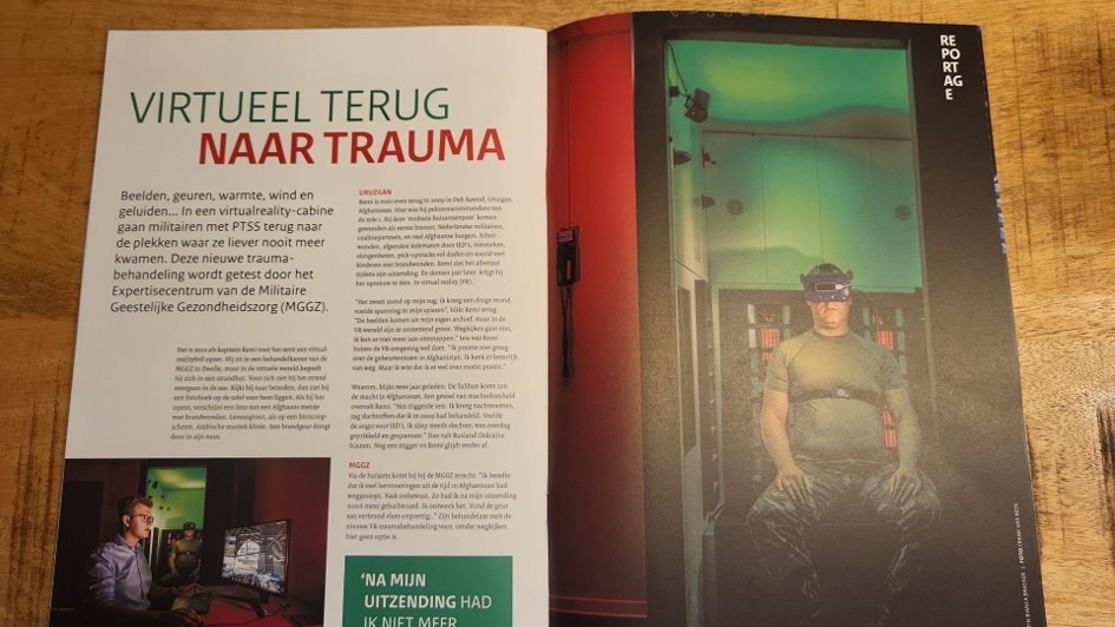
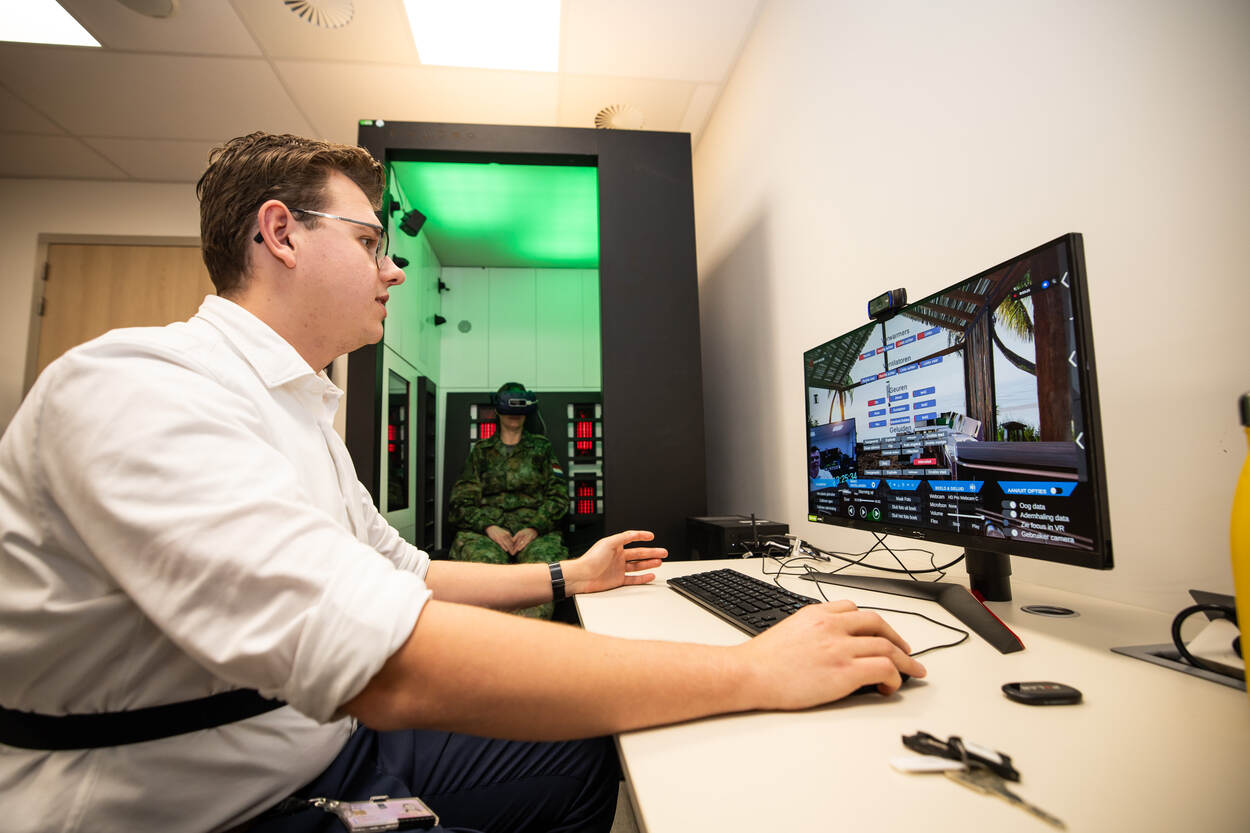
The SENSIKS multisensory sensory reality pods are currently used in controlled research protocols with the Dutch Ministry of Defense Military Mental Health Service and academic partners. Findings will help determine if and how this technology can support future evidence-based PTSD care for military personnel and veterans.
Partners and Focus
Partners include the Dutch Ministry of Defense Military Mental Health Service, Leiden University Medical Center (LUMC), ARQ National Psychotrauma Center and TNO. Together, they examine how multisensory VR can support:
- Personalized trauma memory processing in safe, controlled environments
- Neutral “safe spaces” before and after intense exposure segments
- Real-time physiological monitoring to adjust exposure intensity
- Design parameters and technological requirements for future clinical use
Research Collaboration
Military Mental Health Service (Dutch MoD), LUMC, ARQ and TNO jointly explore the SENSIKS platform as an experimental extension of existing PTSD interventions, not as a replacement.
Investigational Status
The technology is strictly investigational in this context. It is not implemented as standard PTSD treatment in Dutch military mental health services. Future adoption will depend on clinical evidence and formal evaluation by relevant authorities.
Core Research Questions
Studies ask how personalized sensory cues, neutral safe environments, and physiological monitoring can improve trauma processing and help therapists better titrate exposure within a safe therapeutic window.
Narrative-Based, Multisensory Exposure in SENSIKS Pods
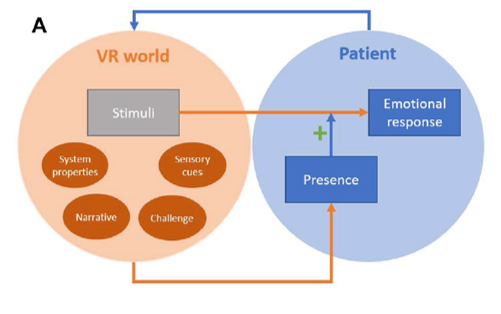
One published study, the “Tailored Immersion” project (van Veelen et al., 2021, Frontiers in Virtual Reality), explored how personalized multisensory immersion in a SENSIKS pod shapes presence, emotional response and therapeutic possibilities for veterans with deployment experience.
🔬 Study Overview & Setup
The Tailored Immersion study used the SENSIKS Sensory Reality Pod with healthy Dutch veterans who had combat or deployment experience to investigate how personalized components affect presence and emotional engagement.
Hardware & Modalities
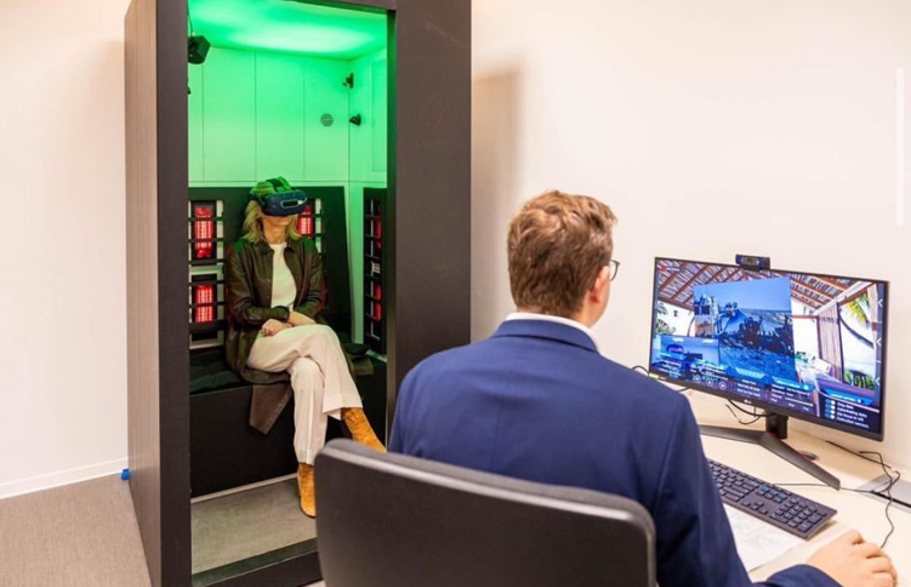
- Pod: SENSIKS Sensory Reality Pod (enclosed multisensory environment)
- HMD: HTC Vive Pro Eye headset
- Sensory channels: visual VR, spatial audio, olfactory cues, temperature and airflow
- Physiology: respiratory sensor and eye-tracking to monitor arousal and attention
- Environment: neutral beach cabin setting functioning as a calm, “safe” baseline
Research Team
The project brought together researchers and clinicians from:
- LUMC and ARQ (e.g. Nancy van Veelen, Martijn L. van Emmerik, Mirjam J. Nijdam)
- TNO (e.g. Rudy C. Boonekamp, Tjeerd A.J. Schoonderwoerd)
- Brain Research and Innovation Centre, Ministry of Defense (e.g. Bastiaan Bruinsma, Elbert Geuze)
- International partners, including Canadian Forces Health Services (Chelsea Jones)
- Prof. Eric Vermetten (LUMC, ARQ, Military Mental Health Care), providing overarching scientific leadership
Role of SENSIKS in the Research
In this context, SENSIKS provides the multisensory platform and tooling for:
- Multi-content generation: creating personalized, narrative-based exposure experiences
- Multisensory amplification: synchronizing visuals, audio, scent, climate and airflow
- Sensory “coding” of memories: reactivating trauma-relevant sensory traces in a controlled way
- Future AI integration: using AI to help recreate dream-like or memory-based scenes and gradually change their ending
The long-term vision is that AI-assisted multisensory content can help veterans rehearse safer endings to nightmares and trauma narratives, so they are not repeatedly awakened by PTSD-related dreams and can sleep better and cope more effectively with their PTSD symptoms.
🧠 Why Multisensory & Personalized?
Standard VR exposure therapy typically focuses on visual and auditory cues. Military PTSD, however, is often encoded across multiple senses—sounds, smells, climate, body sensations, and context-specific cues tied to deployment theatres.
Key Hypotheses
- Personalized sensory cues (e.g. self-chosen music, personal photos, specific sounds) deepen emotional engagement and make the exposure more relevant.
- Neutral safe environments (like a calm beach cabin) provide a stable baseline to regulate arousal before and after intense narrative exposure segments.
- Real-time physiological monitoring (respiration, eye-tracking) can help therapists titrate exposure intensity inside the window of tolerance.
Areas for Technical Refinement
The research also identifies where multisensory systems need improvement for future clinical use:
- More realistic environmental dynamics (water, trees, clouds, weather)
- Better hand tracking and more personalizable avatars (gender, skin tone, equipment)
- Tighter coupling of olfactory and haptic cues to visuals and temperature
- More intuitive gesture controls for operating virtual equipment (e.g. radio, tools)
Dutch MoD PTSD Research in the SENSIKS Pod
Role of Prof. Eric Vermetten & Advisory Network
🧑⚕️ Linking Military Needs, Neuroscience and VR Innovation
Prof. Dr. Eric Vermetten serves on the SENSIKS Scientific Advisory Board and plays a central role in bridging military mental health needs, PTSD neuroscience, and VR-based therapeutic innovation.
Clinical and Academic Positions
- Strategic Advisor (COL) of Research, Military Mental Health Service, Dutch Ministry of Defense
- Psychiatrist, ARQ National Psychotrauma Center
- Endowed Chair in Psychiatry, Leiden University Medical Center (LUMC)
- Adjunct Professor of Psychiatry, New York University Medical Center
Relevant Expertise
- Complex PTSD and trauma memory processing
- Military operational stress and resilience
- Technology-integrated psychotherapy (VR, motion-based, psychedelic-assisted)
- Principal Investigator of PRISMO, a 10-year longitudinal military cohort study
His involvement helps ensure that VR research with SENSIKS remains grounded in clinical reality, focused on safety, and aligned with rigorous scientific standards.
Tailored Immersion & Narrative-Based Exposure – Full PDF
The document below provides detailed technical and methodological information on the multisensory tailored immersion and narrative-based exposure research in Dutch military mental health settings.
Frequently Asked Questions
These points summarize the current research status. They are not clinical recommendations or treatment guidelines.
❓ Is SENSIKS already an approved PTSD treatment in the Dutch military?
No. Within Dutch military mental health services, SENSIKS multisensory VR is used only in research settings. It is considered investigational technology. Any future clinical implementation would require further efficacy trials, safety evaluation and formal assessment by the appropriate authorities.
❓ How is this different from standard VR exposure therapy?
Standard VR exposure therapy focuses mainly on visual and auditory input. The SENSIKS-based research adds:
- Multisensory immersion: visual, audio, scent, temperature and airflow
- Personalized content: narrative-based scenarios tailored to each veteran
- Real-time physiology: respiratory and eye-tracking data to monitor arousal
- Neutral safe spaces: such as a beach cabin, to regulate between exposures
The aim is not to replace evidence-based therapies but to explore how multisensory technology might enhance them for specific groups like military personnel and veterans.
❓ Who might benefit if future trials are successful?
The primary focus is on:
- Active-duty military personnel with deployment-related trauma
- Veterans with PTSD who struggle with conventional imaginal exposure
In the longer term, similar approaches could be relevant for other high-risk professions (first responders, police, healthcare workers) – but this would require dedicated research and clinical validation in each group.